
Maintaining your parrot’s health is a top priority, and ensuring they receive enough Vitamin A is a fundamental part of their care.
Parrots, with their vibrant feathers and charismatic personalities, are cherished companions for many. To ensure that these feathered friends lead happy and healthy lives, it’s crucial to provide them with a well-balanced diet. Among the essential nutrients parrots need, Vitamin A stands out as a critical component for their overall well-being. In this post, we’ll delve into the importance of Vitamin A for parrots and how to ensure they receive an adequate supply.
Understanding Vitamin A
Vitamin A is a fat-soluble vitamin that plays a key role in maintaining the health of various organ systems in parrots. Unlike humans, parrots have a limited ability to convert beta-carotene (a precursor to Vitamin A) into the active form of the vitamin. This means that they rely mostly on direct dietary sources of Vitamin A, although some beta-carotene-rich foods can contribute modestly to their intake. Certain species, such as Eclectus parrots, are particularly sensitive to Vitamin A deficiency and utilize a “second storage” system in their liver to help maintain levels during periods when dietary intake is lower.
Why Vitamin A Is Vital for Parrots
-
Vision: Vitamin A supports healthy retinas and the proper functioning of photoreceptor cells. Deficiency can lead to vision problems and even blindness.
-
Immune System: This nutrient is crucial for robust immune function, helping parrots resist infections and stay healthy.
-
Skin and Feather Health: Adequate Vitamin A intake keeps skin and feathers healthy. Without it, parrots may develop dry skin, dull feathers, or feather-plucking behaviors.
-
Reproductive Health: Vitamin A supports successful reproduction and healthy chick development. Deficiency can lead to infertility or weak, underdeveloped chicks.
-
Growth and Development: Young parrots need Vitamin A for proper growth and overall health, making adequate intake critical during early stages of life.
Sources of Vitamin A for Parrots
To help ensure your parrot receives enough Vitamin A:
-
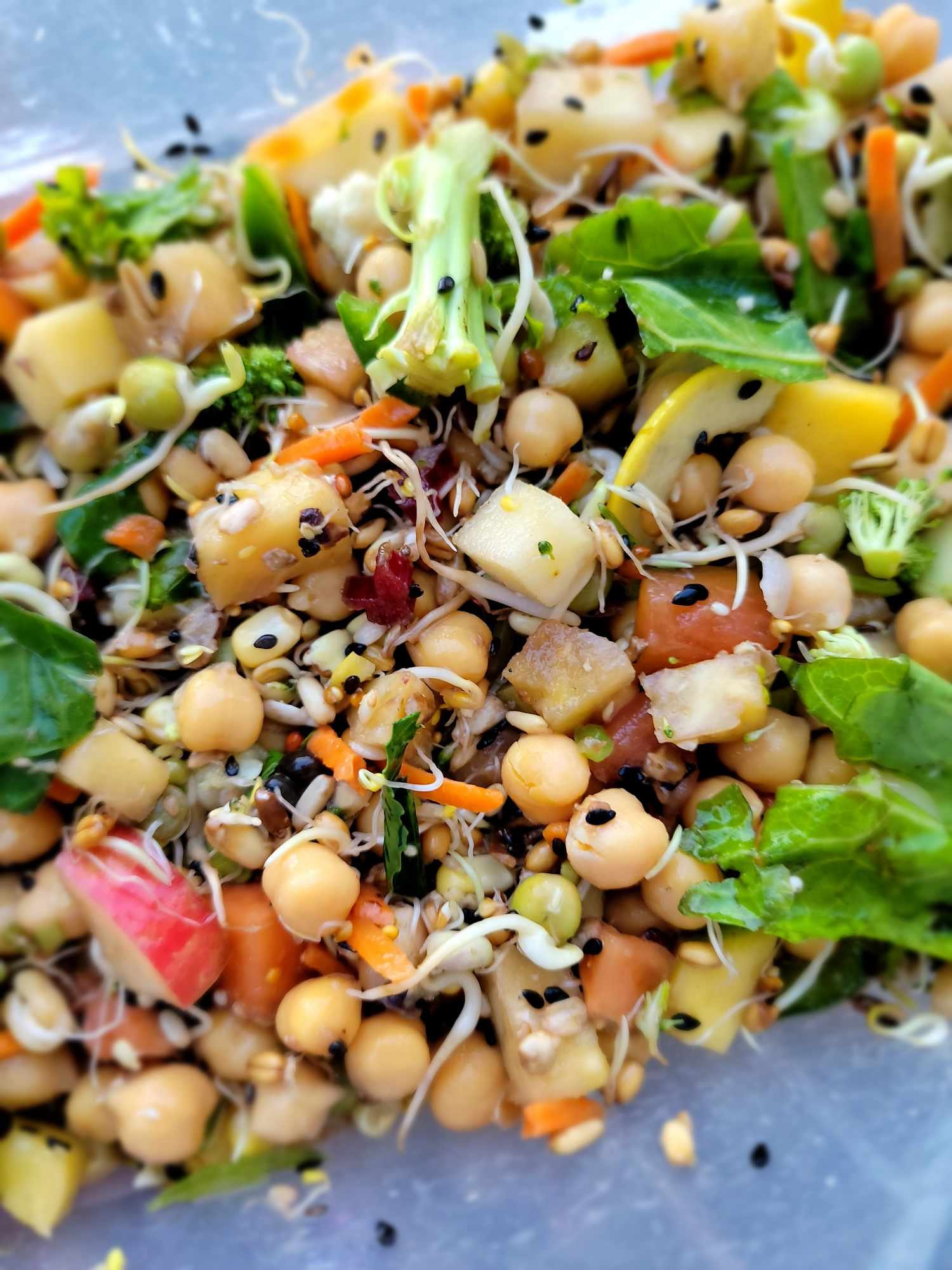
Leafy Greens: Kale, collard greens, and spinach contain beta-carotene, which contributes to Vitamin A intake.
-
Orange and Yellow Vegetables: Carrots, sweet potatoes, and bell peppers provide beta-carotene for conversion.
-
Fruits: Mangoes, papayas, and apricots also provide beta-carotene but should be fed in moderation due to sugar content.
-
Commercial Parrot Pellets: High-quality pellets are formulated with Vitamin A to meet the specific needs of parrots.
-
Supplements: Only use Vitamin A supplements under veterinary guidance, as excessive intake can be toxic. Avoid Eclectus-specific Vitamin A shots unless directed by an avian veterinarian.
Conclusion
Maintaining your parrot’s health is a top priority, and ensuring adequate Vitamin A intake is essential. A varied diet, regular check-ups with an avian veterinarian, and careful observation of your parrot’s health will help them thrive. By offering leafy greens, colorful vegetables, fruits, and high-quality pellets, you support your parrot’s vibrant feathers, strong immune system, and overall well-being.

Comments
Incredulous
This page strongly contradicts itself:
“Unlike humans and some other animals, parrots cannot convert beta-carotene (a precursor to Vitamin A) efficiently into the active form of the vitamin. Therefore, they rely on direct dietary sources of Vitamin A.”
You then go on to list food sources of Vitamin A that only contain beta carotene, like leafy greens and fruits, neither of which have the active form of Vitamin A. And then the direct contradiction regarding orange and yellow vegetables:
“are excellent choices as they contain beta-carotene, which parrots can convert into Vitamin A.”
So which is it? Can they convert it or not?
Maria Sullivan
Thank you for your careful reading and for pointing this out! We’re glad to clarify. Parrots, unlike some other animals, have a limited ability to convert beta-carotene (found in many fruits and vegetables) into active Vitamin A, but this ability varies by species. Some parrots can convert small amounts, while others—like Eclectus parrots—require pre-formed Vitamin A from their diet.
The foods we listed, leafy greens, orange and yellow vegetables, and certain fruits, provide beta-carotene, which serves as a source of Vitamin A for many parrots, but the conversion is not always efficient. That’s why offering a variety of foods, including high-quality pellets formulated with Vitamin A, is important to ensure they receive enough of the nutrient.
We’ll update the article to make this distinction clearer to avoid any confusion. Your attention helps us make our information more accurate and helpful for parrot caregivers. Thank you!